Autonomy is most useful when it gives people more time to make informed decisions. That starts with systems that communicate what they are doing, what they have observed and where uncertainty remains.
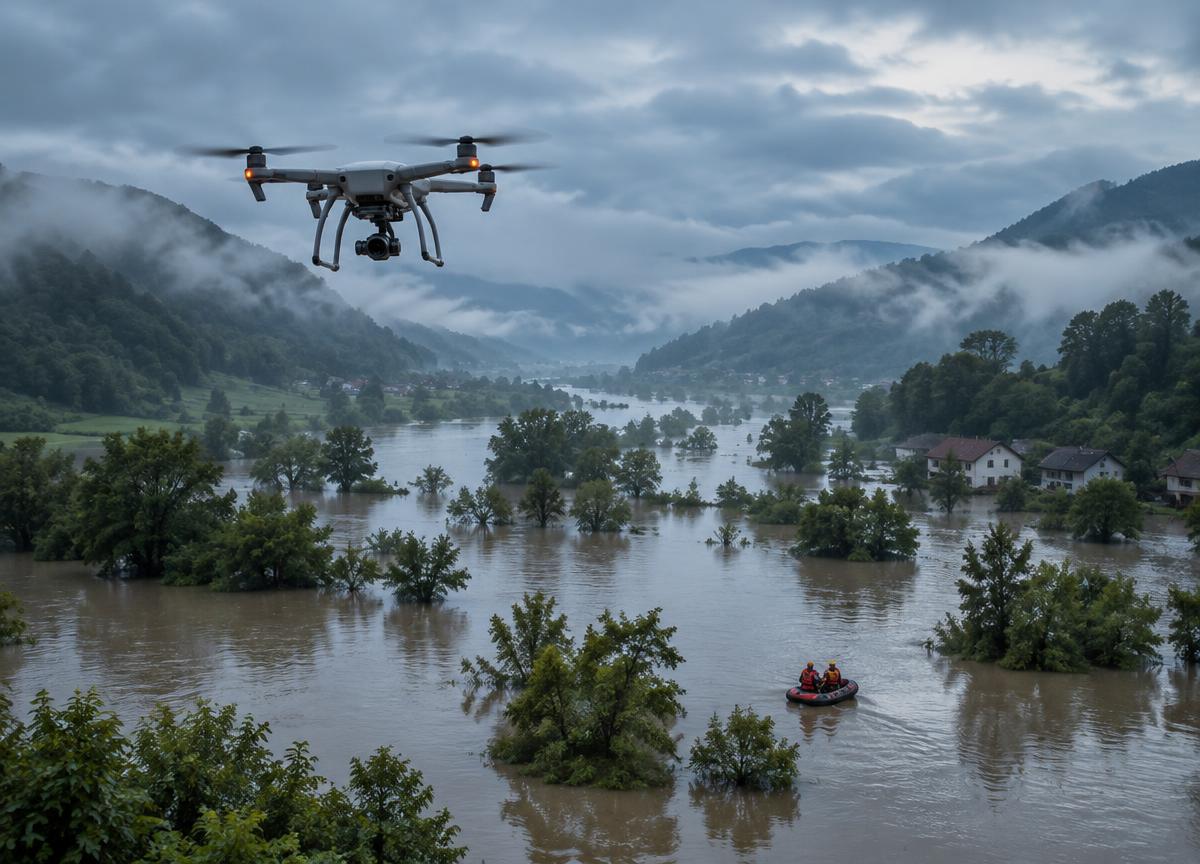
Good field design accounts for changing weather, connectivity and operating context. Operators need simple ways to supervise a mission, pause activity and review the information collected.
The strongest autonomy strategies pair capable software with clear human responsibility. Testing, documentation and careful deployment planning remain part of the system—not an afterthought.
Designing for the field means more than building a capable aircraft. It means creating a system that communicates clearly, operates with purpose and earns the confidence of the people who use it.